
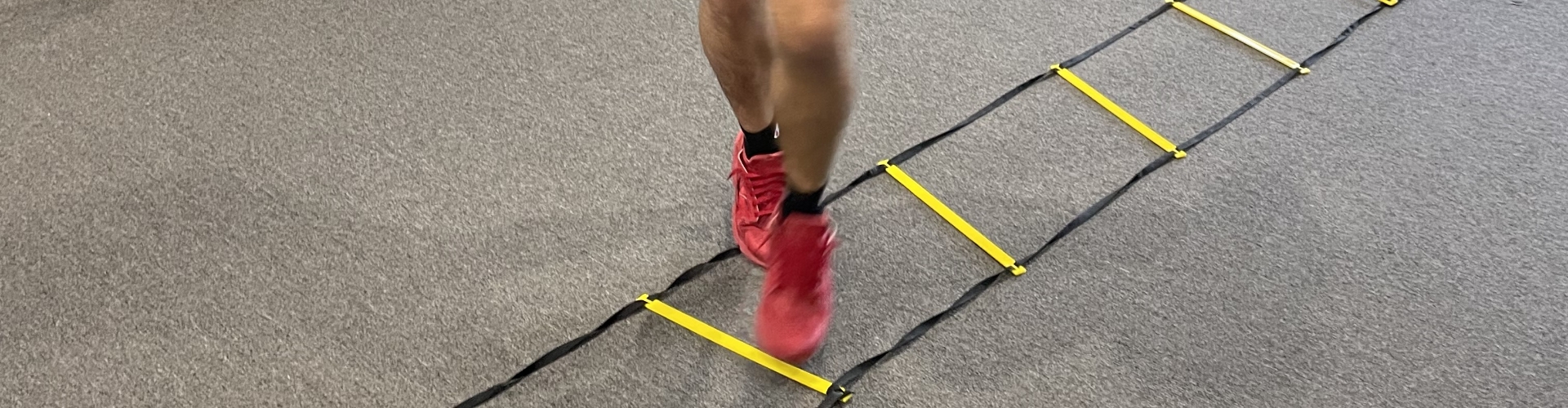
What A Sports Injury Can Mean
A sports injury can affect muscles, tendons, ligaments, joints, nerves, or healing tissue after surgery. It may start with a sudden twist, sprint, awkward landing, collision, fall, heavy lift, or quick change of direction. Other patients develop slower sports-related pain from repeated training load, poor recovery, mechanics that need work, or a return-to-running plan that moved too quickly.
The important point is that sports injuries are not all the same. A mild strain with soreness after activity is very different from a sudden pop with major bruising, high pain near the injury site, weakness, or inability to walk normally. Physical therapy should begin with a real evaluation: what tissue may be involved, what stage of healing the injury is in, what activities trigger symptoms, whether the pain could be referred from the back or hip, and whether medical imaging or physician care is needed first.
A strong rehab plan does not simply rest the injury until pain fades. The body has to rebuild mobility, strength, balance, coordination, endurance, and sport-specific mechanics. For some patients the goal is to walk and use stairs without pain. For others, the goal is returning to full-speed soccer, tennis, basketball, track, pickleball, golf, fitness classes, throwing, lifting, or heavy work.
Common Symptoms
Sports injury symptoms often change as the injury heals. Early symptoms may include sharp pain, swelling, bruising, tenderness, difficulty walking, painful lifting, painful throwing, or trouble using the injured area normally. Later symptoms may look more subtle: tightness with faster running, hesitation with cutting, soreness after practice, fear of re-injury, weakness during strength work, or a feeling that the body is not ready for sport.
- pain after a game, practice, workout, fall, twist, or training change
- swelling, stiffness, bruising, or tenderness after activity
- difficulty running, jumping, cutting, pivoting, or landing
- pain with walking, stairs, lifting, throwing, swinging, or overhead activity
- weakness, instability, or reduced confidence on one side
- recurring soreness that returns when training volume increases
- limited mobility or reduced range of motion
- fear of re-injury during sport, fitness, work, or active weekends
- altered gait, reduced stride length, or changed mechanics
- trouble progressing after a sports surgery or orthopedic procedure
- pain that returns when speed or stride length increases
- difficulty with hills, stairs, lunges, or picking something up from the floor
- repeated strains after returning to sport too quickly
Seek urgent medical care or physician evaluation for major trauma, suspected fracture or dislocation, inability to bear weight, visible deformity, severe or rapidly increasing swelling, fever or infection signs, head injury or concussion symptoms, sudden weakness or numbness, worsening neurological symptoms, calf swelling with warmth, chest pain, shortness of breath, or symptoms that are worsening instead of improving.
Why Sports Injuries Come Back
Sports injuries can recur when the athlete or active adult returns after pain improves but before strength, balance, conditioning, reaction time, landing control, throwing tolerance, running mechanics, or sport-specific demand is ready. A plan that stops at stretching and light exercise may miss the speed, fatigue, load, and decision-making that caused the injury in the first place.
Another reason symptoms linger is that sports-related pain can overlap with other problems. Knee pain, ankle instability, hip mobility limits, shoulder/scapular mechanics, low back referral, nerve irritation, tendon overload, weakness, balance deficits, or training-volume errors can all contribute. The evaluation should sort through those possibilities instead of assuming every sports injury needs the same exercise sheet.
Related Presentations We Consider
Sports injury care may overlap with ankle sprain, knee sprain, ACL injury rehabilitation, meniscus injury rehabilitation, hamstring or quadriceps strain, hip and groin strain, rotator cuff or shoulder overuse injury, elbow tendon irritation, low back pain with sport or lifting, running-related overuse injury, post-surgical sport rehabilitation, return-to-sport strength and mechanics deficits. A useful plan should identify what is urgent, what is load-related, what is strength-related, and what is ready for progressive rehab.
How Trinity Rehab Evaluates Sports Injuries
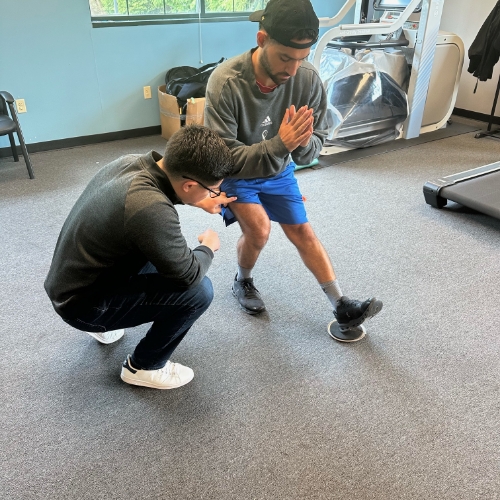
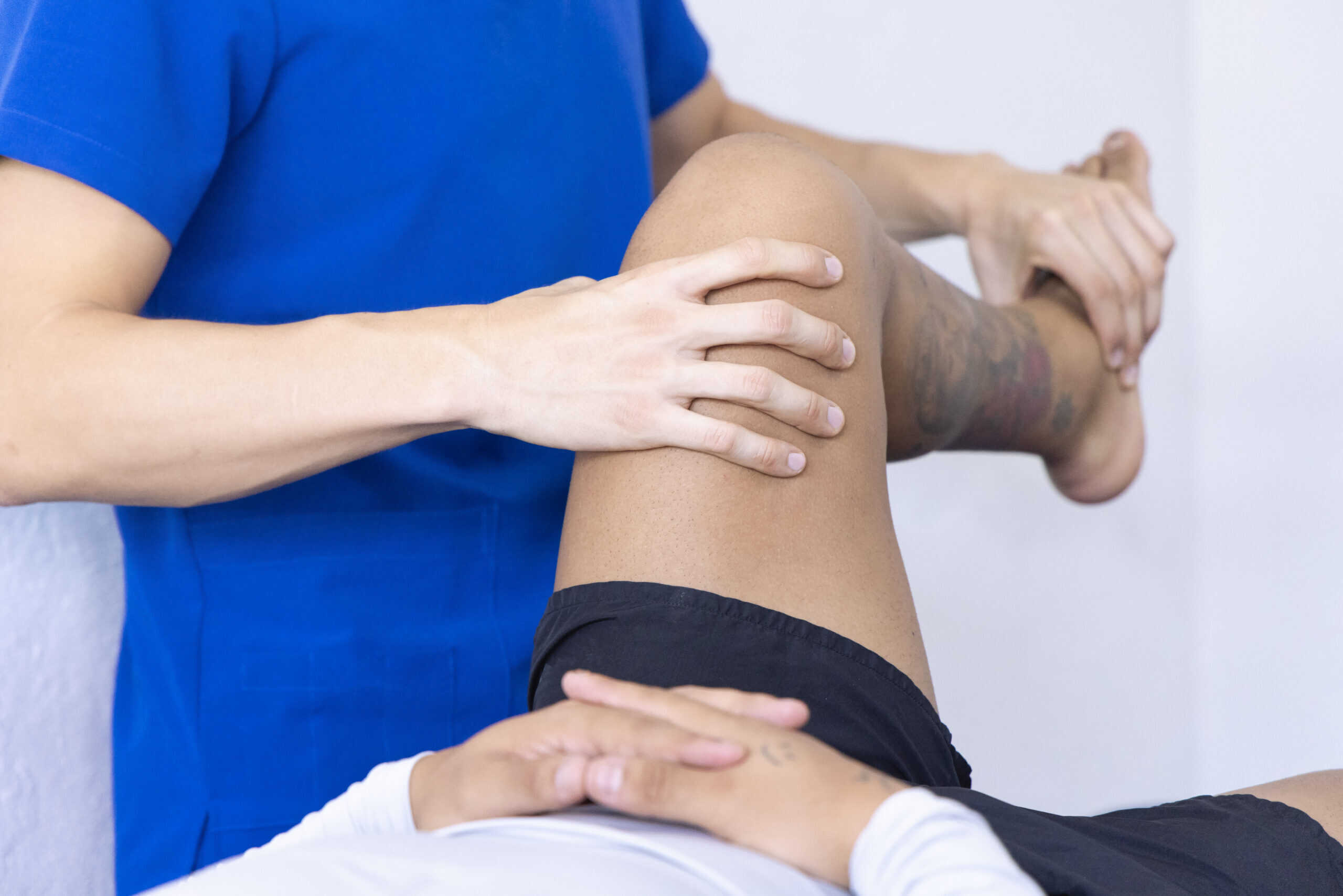
Your first visit should make the problem clearer. The therapist reviews how the injury happened, whether there was trauma, swelling, bruising, numbness, head injury symptoms, or other warning signs, and what sport, work, school, or fitness demands matter. Then the exam looks at mobility, swelling, strength, gait, running mechanics, jumping, landing, cutting, balance, hip/knee/ankle control, shoulder/scapular mechanics, and sport-specific movement when appropriate.
- red flag screening for urgent medical concerns
- injured area, spine, hip, knee, ankle, shoulder, elbow, and nerve symptom review
- range of motion, flexibility, and pain-response testing
- sport-specific strength, balance, and control testing
- walking, stairs, squat, hinge, bridge, lunge, or running review when appropriate
- discussion of sport, work, fitness, and return-to-activity goals
- a home exercise plan that matches the current stage of healing
Many New Jersey and Pennsylvania patients can start physical therapy through direct access when appropriate. If the presentation suggests fracture, dislocation, concussion, severe neurological symptoms, a high-grade tear, infection, unsafe weight bearing, or another medical problem, the therapist should help coordinate the next medical step.
Physical Therapy Treatment Plan
Sports injury physical therapy should be staged. Early care may focus on calming pain, controlling swelling, protecting healing tissue, restoring comfortable movement, reducing fear, and choosing exercises that do not repeatedly flare symptoms. Middle-stage rehab builds strength, mobility, balance, and control. Late-stage rehab should look more like the goal: faster running, sprinting, cutting, jumping, lifting, throwing, or sport-specific drills.
Phase 1: Calm Pain And Restore Basic Movement
Treatment may include education, activity modification, gentle mobility, low-irritability sports injury loading, gait guidance, and careful progression. Manual therapy may help surrounding tissue and movement tolerance, but it should support exercise rather than replace it.
Phase 2: Build Strength And Eccentric Control
As symptoms allow, therapy should progress into sport-specific strengthening, eccentric work when relevant, core and hip control, shoulder/scapular control when relevant, single-leg control, balance, and loading that matches the patient’s activity. The goal is to help the body tolerate force across different speeds, positions, directions, and levels of fatigue.
Phase 3: Return To Running, Work, Or Sport
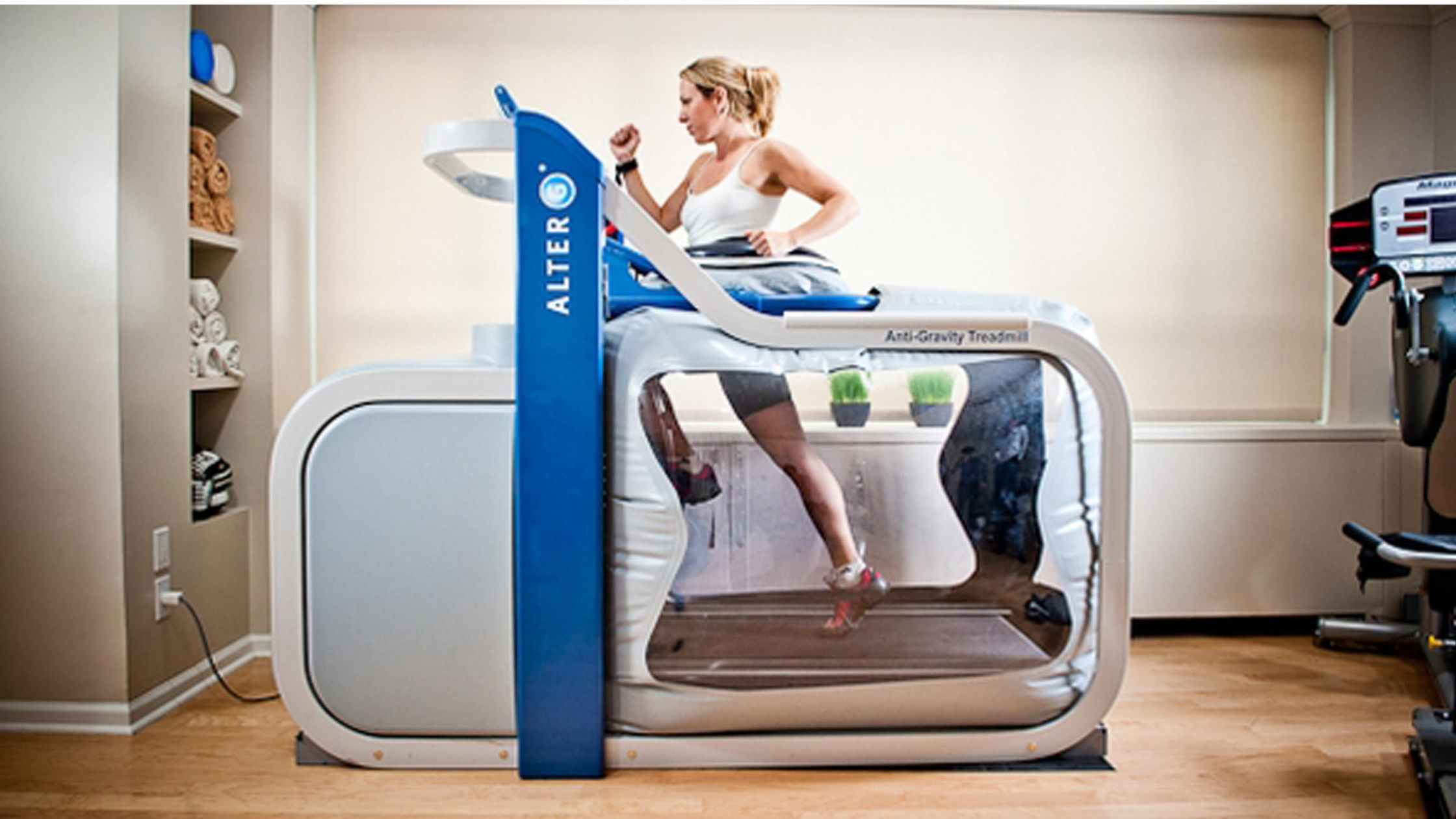
Return to activity should be earned. A runner may need a walk-jog progression, stride-length control, hill strategy, and sprint exposure. A field or court athlete may need acceleration, deceleration, cutting, jumping, and fatigue drills. A worker may need lifting, carrying, kneeling, stairs, and long shifts. The plan should bridge the gap between feeling better and being ready.

EPAT And Shockwave Therapy For Sports Injuries
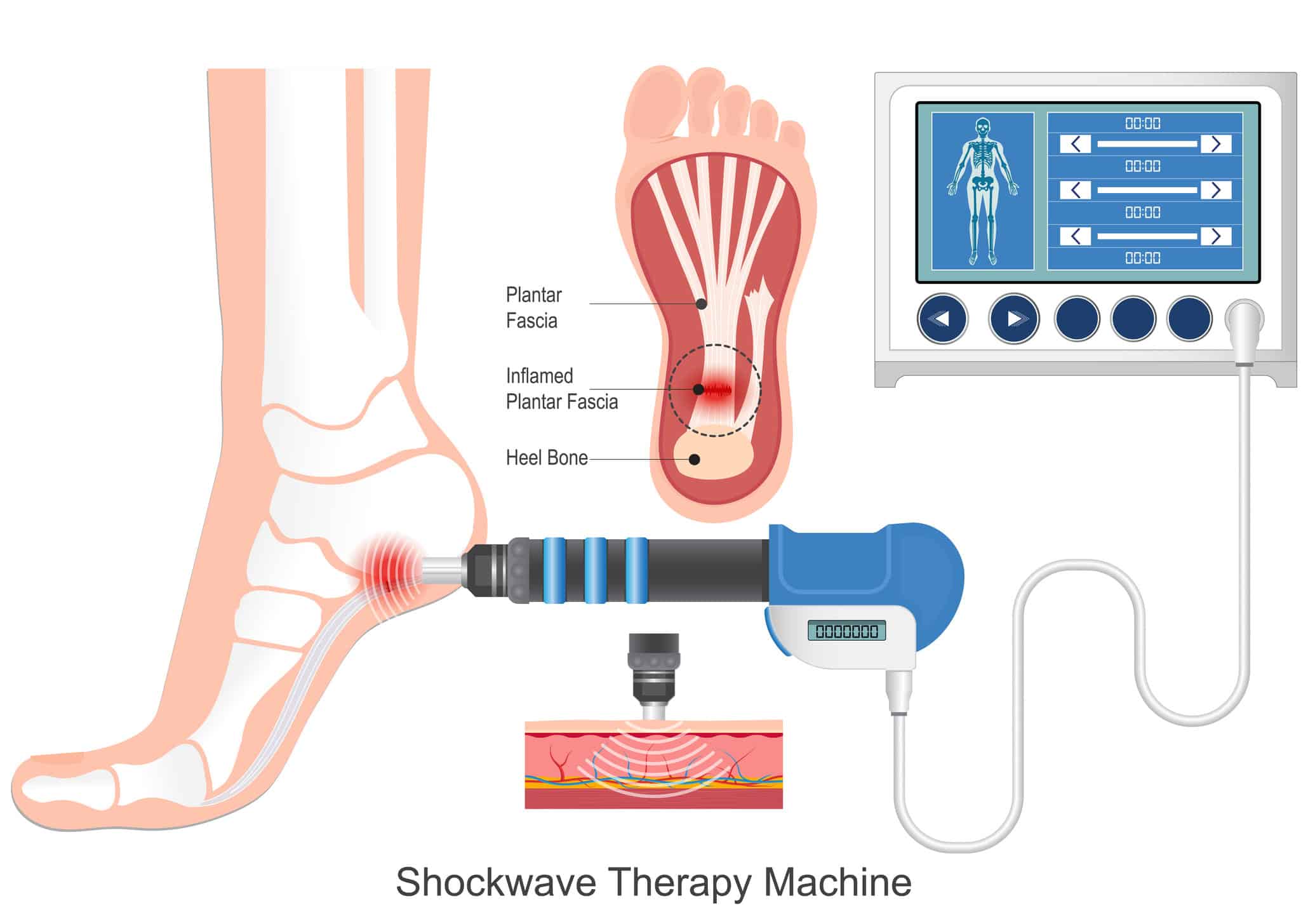
EPAT, also called extracorporeal pulse activation technology or shockwave therapy, may be an option for selected sports injury patients, especially when the main problem looks more like chronic tendon-type irritation instead of an acute traumatic injury. It should not be presented as a cure-all, a replacement for strengthening, or the first answer for suspected fracture, dislocation, concussion, severe swelling, major weakness, or symptoms that need physician evaluation.
When appropriate, EPAT can be discussed as one part of a plan that still includes load management, progressive strengthening, mobility, mechanics, gait or running progression when relevant, and clear return-to-activity criteria. The clinical message should be: evaluate first, decide if the presentation fits, then use shockwave as an adjunct when it helps the overall rehab plan.
Progress Should Be Measured In Real Life
A sports injury plan should show progress in daily life and in the activity that matters. Useful markers may include walking without a limp, stairs with more confidence, reduced swelling, better range of motion, stronger single-leg control, improved throwing or lifting tolerance, better jogging response, and no next-day flare after graded activity. For athletes, later markers may include acceleration, sprinting, jumping, landing, cutting, throwing, and sport-specific work under fatigue.
Progress also includes knowing what not to rush. A sports injury can feel better at rest before it is ready for high-speed or high-load demand. That is why the plan should include clear criteria for the next phase, not just a calendar date. A careful return-to-running or return-to-sport progression reduces guesswork and helps patients avoid the cycle of rest, return, re-injury, and more rest.
This is where Trinity’s local clinic model matters. The page can explain sports injury care, but the visit turns it into a plan for the patient in front of us: the runner trying to get back on the road, the soccer player worried about sprinting, the parent who cannot sit comfortably at games, the worker who climbs stairs all day, or the older adult who wants confident walking and strength.
Sitting Pain, Proximal Sports Injury Pain, And Running Decisions
Not every sports injury patient shows up with a classic sprinting injury. Some patients have pain high in the injured area near the injury site. That can happen with tendon irritation, a prior strain, irritated tissue near the injury site, or a pain pattern that overlaps with the hip, low back, or sciatic nerve. These patients may feel worse with sitting, driving, hills, deadlifts, deep stretching, faster running, or long stride positions. The plan should not simply force aggressive stretching into a sensitive tendon or nerve-like presentation.
Return-to-running decisions also need care. Easy jogging, sprinting, hills, intervals, and field sports are not the same demand. A runner may need to rebuild walking tolerance, then short jog intervals, then longer easy runs, then strides, hills, tempo work, or sprinting depending on the goal. A field athlete may need acceleration, deceleration, cutting, and fatigue exposure. A gym athlete may need hinge strength, split-stance control, and load progression. A worker may need lifting, stairs, kneeling, and long standing tolerance.
This is why a sports injury page should talk about criteria, not just timelines. Before progressing, the patient should have acceptable pain response, improving strength, better gait, no concerning swelling or bruising pattern, and confidence with the previous step. If symptoms jump after every increase, the dose may be too high or the diagnosis may need another look. Good rehab protects healing while still moving forward.
What Makes Sports Injury Rehab Different From General Leg Pain
Sports injury rehab has to respect speed and position. A patient may tolerate slow exercises but still fail when the leg reaches forward at speed, when the hip is flexed and the knee is extending, or when fatigue changes stride mechanics. That is why later-stage rehab often includes long-lever strength, single-leg control, hip-dominant loading, progressive running, and sport or work simulations. The plan should also consider the whole lower body: hip mobility, glute strength, knee control, calf capacity, trunk position, and how the patient accelerates or decelerates.
The best content page should set that expectation early. Rest can calm symptoms, but it does not automatically restore the sports injury’s ability to absorb force. Stretching can feel useful for some patients, but aggressive stretching is not the entire solution and may irritate some tendon-type presentations. A better plan combines education, graded exposure, strength, mobility, running or work progression, and clear checkpoints for when the next phase is reasonable.
Find Sports Injury Physical Therapy Near You
Choose your closest Trinity Rehab clinic for localized sports injury physical therapy information. These local spokes are intentionally hidden from the top menu and are built for patients searching by condition plus location.
- Brick, NJ
- Cherry Hill, NJ
- Clark, NJ
- Clifton, NJ
- East Brunswick, NJ
- East Windsor, NJ
- Emerson, NJ
- Flemington, NJ
- Hamilton, NJ
- Howell, NJ
- Manalapan, NJ
- Matawan, NJ
- Metuchen, NJ
- Middletown, NJ
- Piscataway, NJ
- Sewell, NJ
- Shrewsbury, NJ
- Somerset, NJ
- Somerville, NJ
- Sparta, NJ
- Toms River, NJ
- Warren, NJ
- Wayne, NJ
- Woodbridge, NJ
- Doylestown, PA
- Newtown, PA
- Upper Dublin, PA
Related Condition Pages
Sports injuries often overlap with hip pain, knee pain, ACL rehab, meniscus injuries, ankle pain, gait problems, and sport-specific strength deficits. These related pages help patients and search engines understand the full treatment context.
Patient Reviews
Reviews help patients see that Trinity Rehab is a real clinic network with real patient experience across New Jersey and Pennsylvania. Local review widgets are also built into each spoke page.
Frequently Asked Questions
Can physical therapy help a sports injury?
How do I know if a sports injury needs medical care first?
Why do sports injuries come back?
What does sports injury rehab include?
How long does sports injury physical therapy take?
Can sports injury pain actually come from the back or nerve?
Start With A Clear Sports Injury Plan
If sports injury pain, injured area tightness, running pain, sitting discomfort, weakness, or fear of re-injury is changing your day, start with an evaluation. The goal is to understand what is driving symptoms and rebuild the sports injury for the activity you actually need.